
— and others do not…
When people discuss art, they frequently ask the same question: Why does one artist become famous, while others—despite possessing great quality—remain virtually unknown?
The simple answer is this: Quality alone is not enough.
Art never emerges in a vacuum. It acquires significance through contexts, institutions, and societal attention. A work gains relevance not simply because it exists, but because people talk about it, write about it, collect it, and exhibit it.
Consequently, the art market operates differently than traditional markets. Here, art is not merely sold; significance is created.
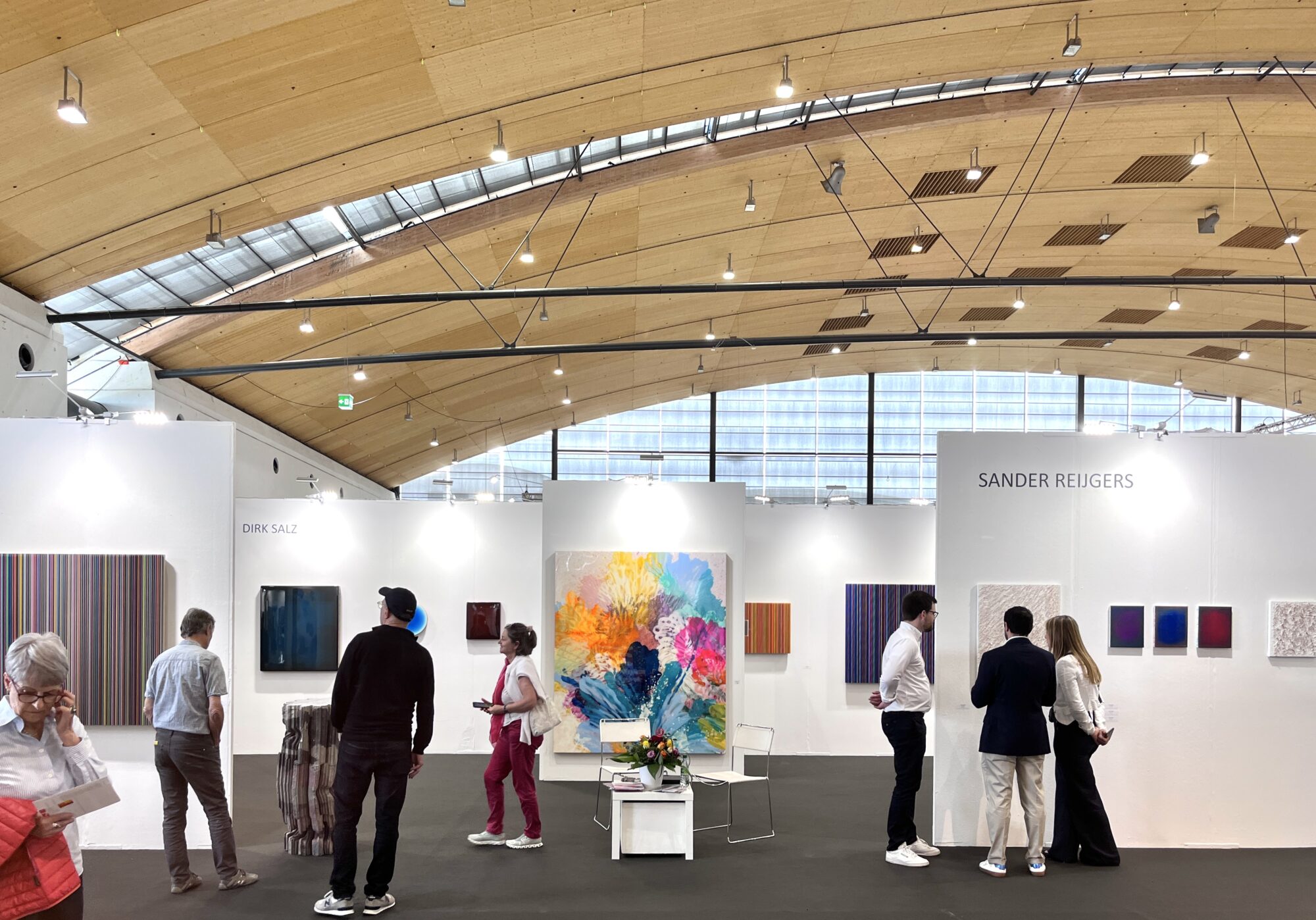
Museums, galleries, collectors, critics, art associations, and fairs collectively form a network of cultural attribution. Within this network, visibility, reputation, and—ultimately—market value are established.
This does not imply that quality is unimportant. On the contrary: in the long run, only that which possesses enduring substance prevails. However, short-term attention can significantly accelerate a career.
Therefore, the more intriguing question is often not: “How good is this work?” but rather: “What story is being told about this work?”
Ultimately, the art market is a system for the production of cultural significance. Those who grasp this concept view prices, hype, and careers in a different light.